BAM Digital Media · Community & Policy
What Creators Told Rep. Yvette Clarke at the Congressional Creators Caucus in Brooklyn
I started creating content in 2011, years before the word “influencer” entered everyday vocabulary.
Back then, having a website and writing about your life online was considered cringe. I barely told anyone I was doing it. I kept Brooklyn Active Mama quiet until the opportunities became too loud to ignore.
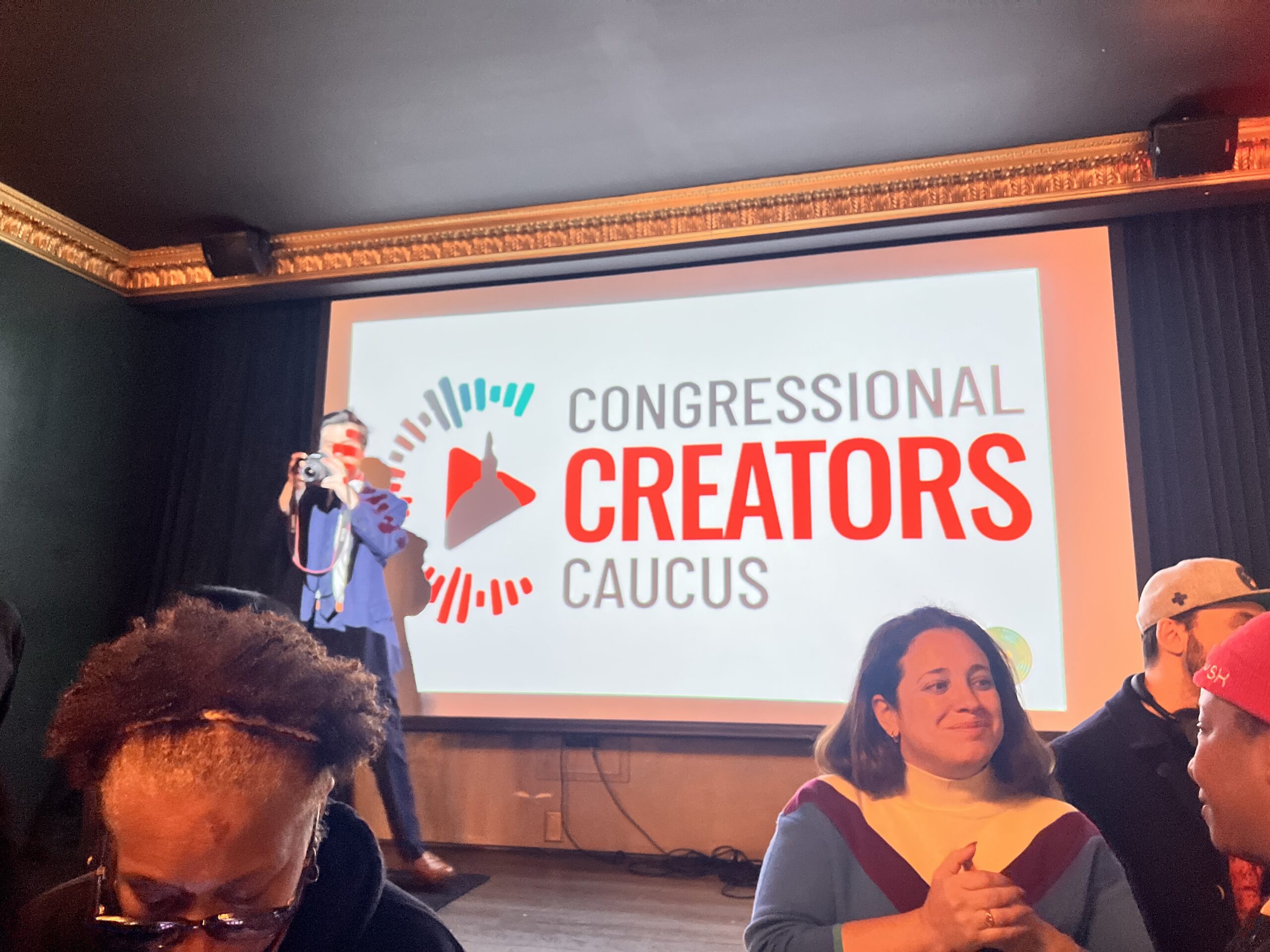
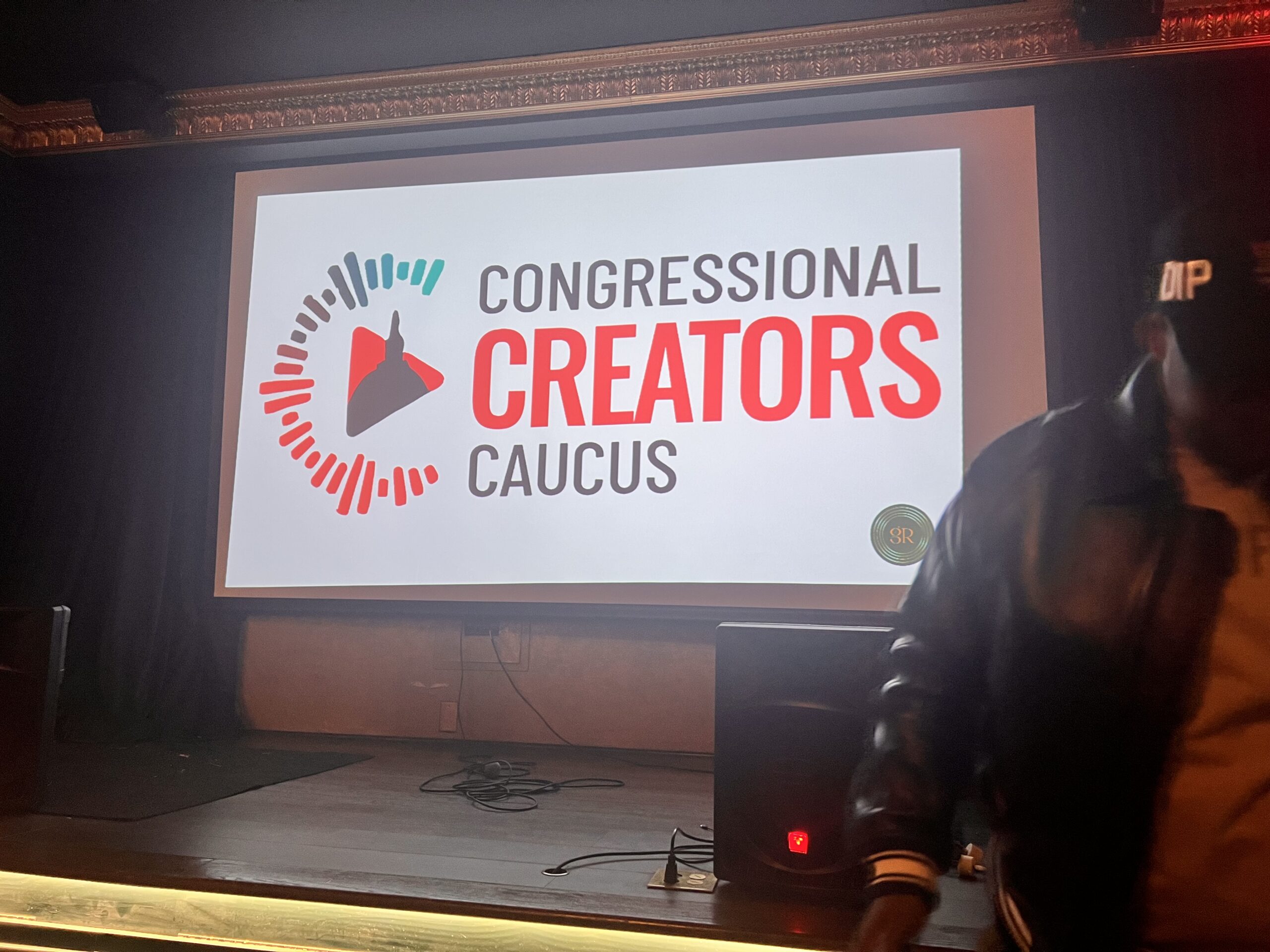
So when I was invited to the Congressional Creators Caucus gathering hosted by Representative Yvette D. Clarke, I walked into that room with a very different point of view than many of the creators around me. I have watched this industry go from something people whispered about to something Congress is now sitting down to discuss.
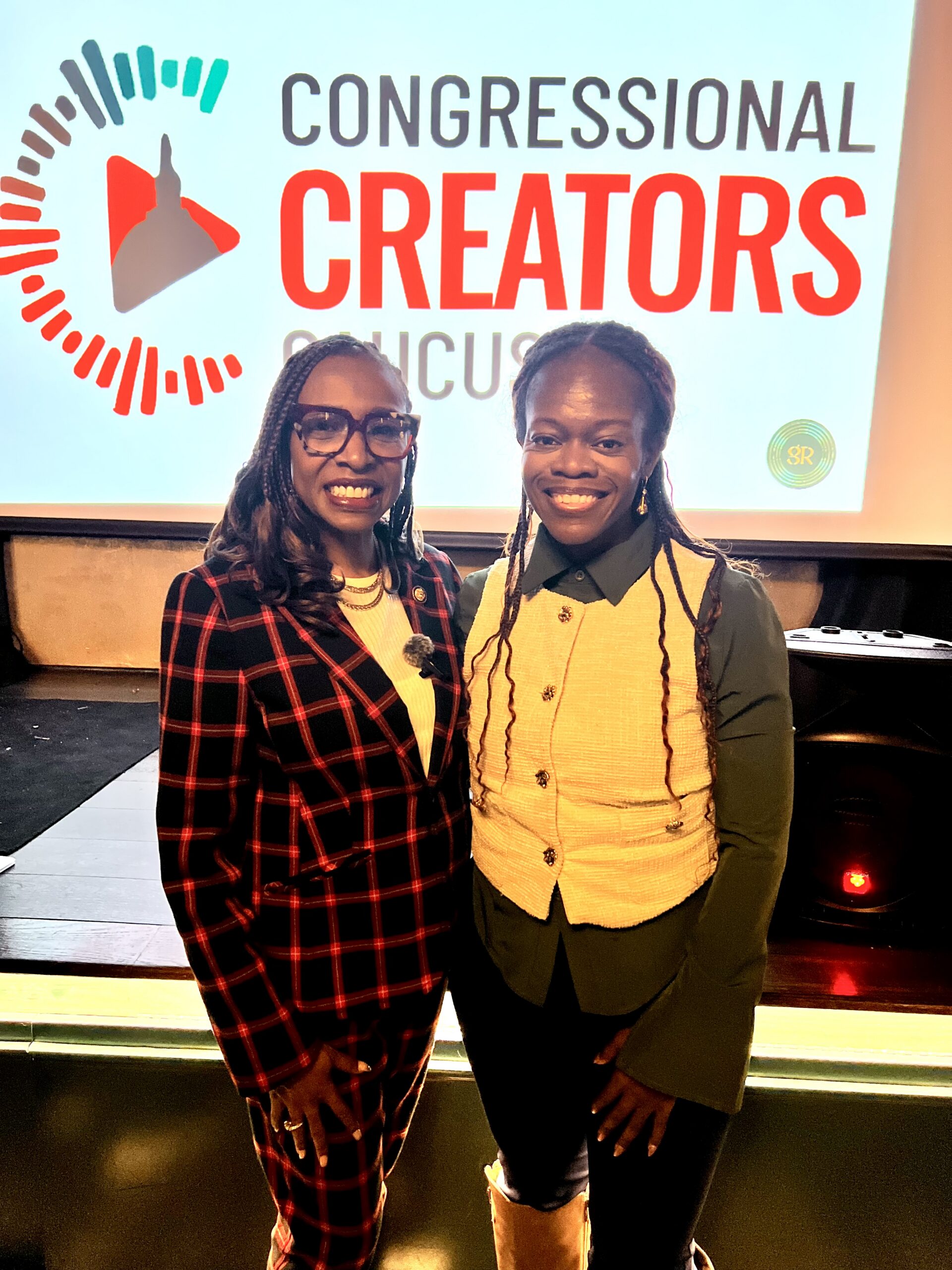
Creators of All Types, One Brooklyn Room
The event brought creators of all kinds together at a restaurant in Brooklyn to talk honestly about what it is like to be a creator today.
The Congressional Creators Caucus is a bipartisan effort co-founded and co-chaired by Rep. Clarke (D-NY) and Rep. Beth Van Duyne (R-TX). Its stated purpose is to bring the perspectives of online content creators into the public policy conversation. According to the caucus, more than 70 million people earn income through online content, which means nearly every congressional district is home to creators building careers online.
Rep. Clarke represents parts of Brooklyn, so having this conversation in our own borough made it feel even more personal.
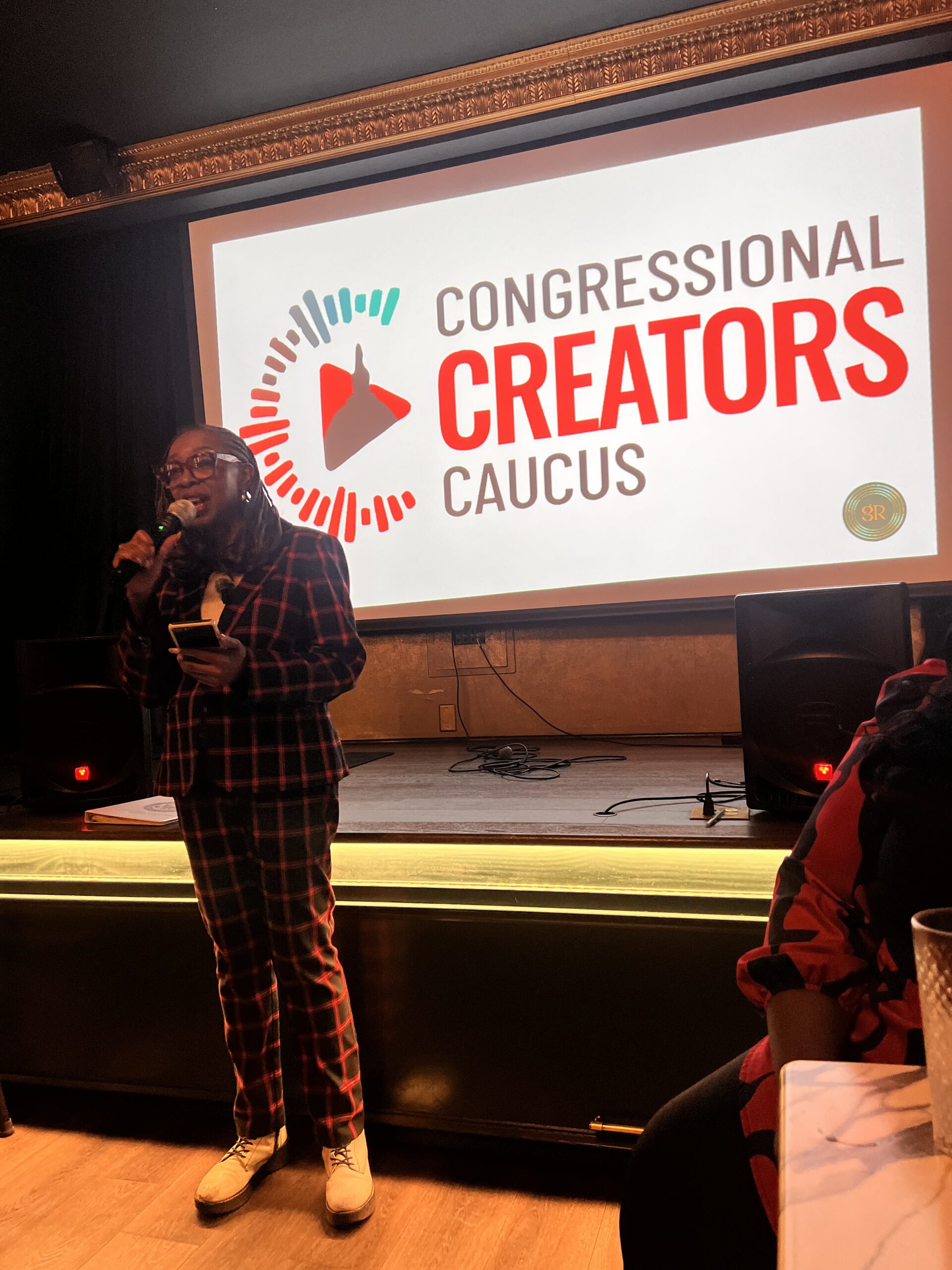
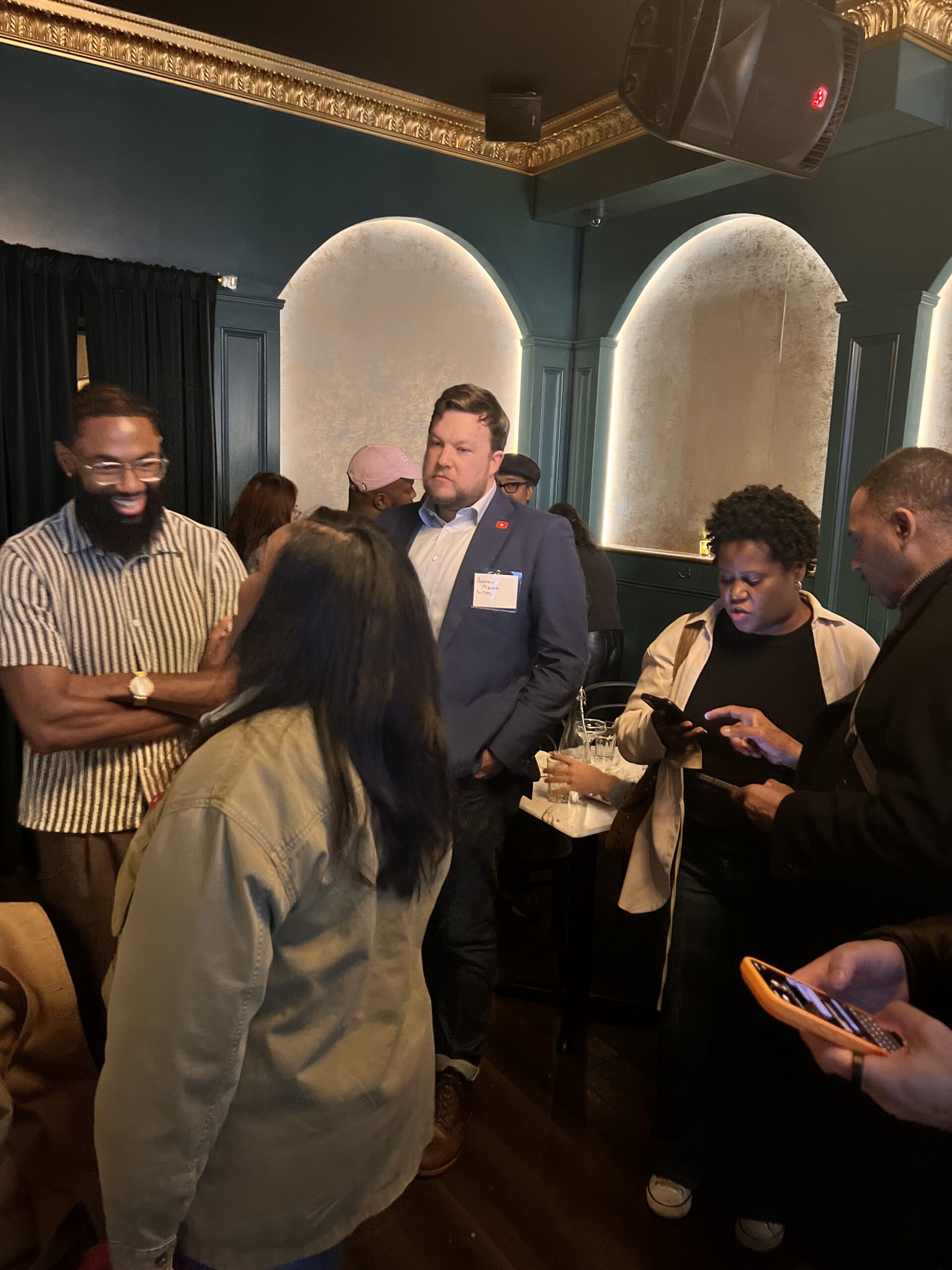
How the Creator Landscape Has Changed
The creator world I started in and the one that exists today are almost unrecognizable.
The rise of TikTok changed how quickly someone can build an audience. Brand deals expanded, especially after COVID, when more people turned to creating online. For many people, creating became a real path to income.
That growth also came with a cost. The number of creators has increased dramatically, and at the same time, social media apps have been lowering the pay per video. More people are creating, and the rates have not kept up.
That tension was a major part of the conversation in the room.
The Issues Creators Raised
Creators talked openly about the realities that rarely show up in the polished version of this job. Topics included:
- Insurance: what it means to be insured as a creator, when you are often your own business, your own employee, and your own safety net
- Doxxing: the very real danger of having personal information, like a home address, exposed when you share your life online
- Taxes: being taxed as heavily as a brick-and-mortar business without the same infrastructure behind you
- Falling pay: social media apps lowering the rate of pay per video
None of these issues are small. Each one affects whether creating can be a sustainable career instead of a side project that burns people out.
Content Creation Is a Real Job
For a long time, content creation was not treated as a real job. People assumed it was a hobby, a vanity project, or something you did while you figured out your “real” career.
Anyone who has built an audience, negotiated a brand partnership, managed their own taxes, filmed, edited, written, posted, and responded to a community knows that is not true.
It meant a great deal to have a Member of Congress in the room, listening to creators describe these challenges in their own words.
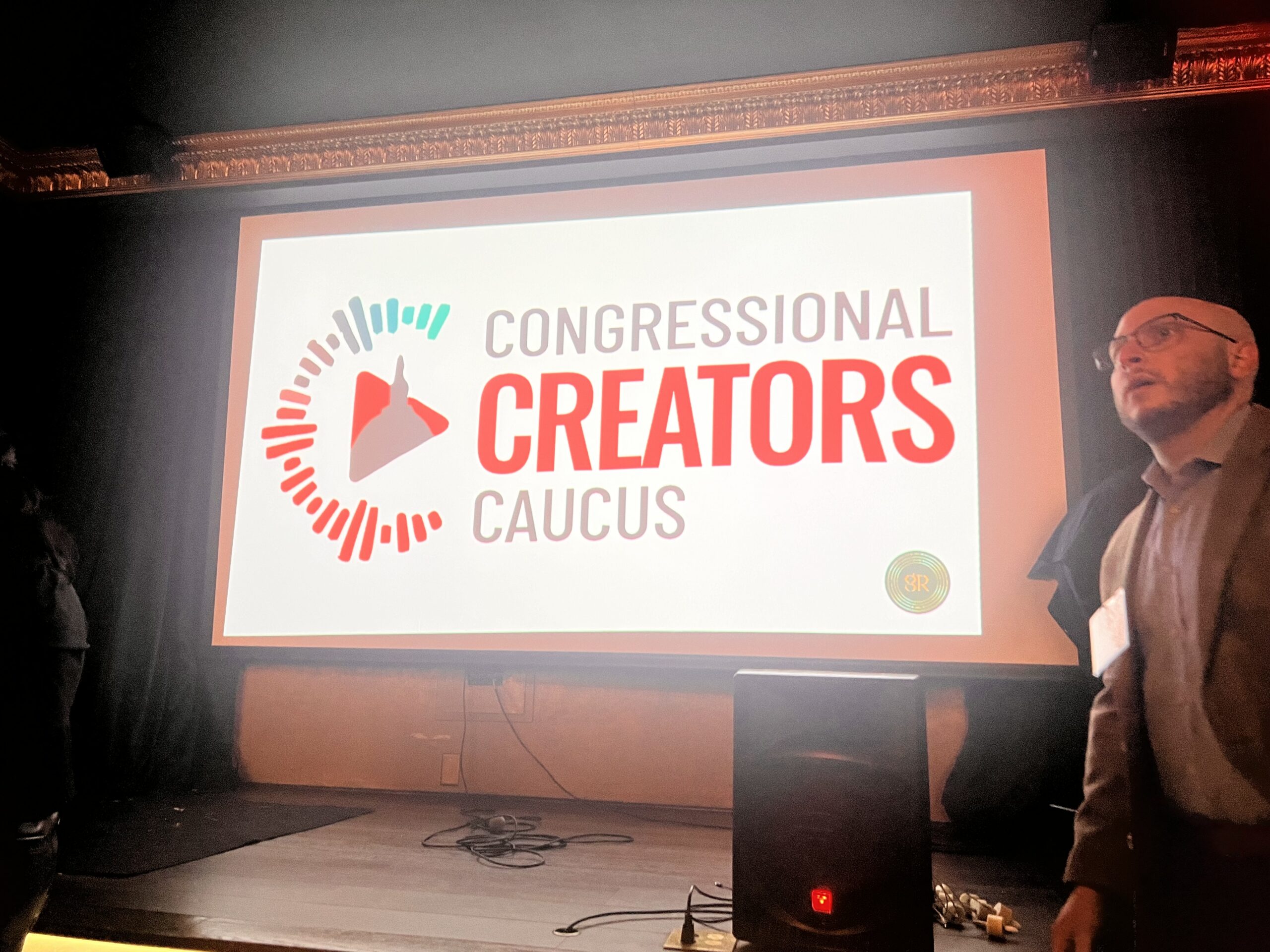
The caucus has continued to bring creators to Capitol Hill since its launch. In June 2026, the co-chairs hosted Creator Row, a showcase designed to give lawmakers and congressional staff a firsthand look at the creator economy.
Why This Matters for Digital Literacy
My work today is helping students and families use technology with intention, and this conversation connects to it directly.
Doxxing is an online safety issue. Understanding what you share, who can see it, and how it can be used is a digital literacy skill, whether you are a student with a few hundred followers or an adult with a full-time creator business.
The money conversation matters too. Many young people dream of becoming creators, and I love that energy. They also deserve honest information about how platforms pay, how algorithms decide who gets seen, and what it takes to build something that lasts. That is why I created the Digital Creator Program and the Student Podcasting Program, so young people learn to create with purpose and with their eyes open.
If you want to hear more of my perspective on creating and building community online, read From Followers to Community: Inside My Creator Workshop or listen to the Smart With Screens podcast.
Grateful to Be in the Room
I am thankful to Rep. Yvette D. Clarke for hosting creators and for fighting for us in Washington. Thank you also to everyone who organized the gathering and extended me an invitation.
Seeing creators treated as workers, entrepreneurs, and small business owners is a long way from where I started in 2011. I am glad to be here for this chapter, and I plan to keep using my voice to help the next generation of creators do this work safely and thoughtfully.
You can learn more about my background and mission, or explore my speaking and consulting services if you are planning an event about creators, digital safety, or technology and young people.
Bring a digital literacy or creator workshop to your school, library, or community organization.